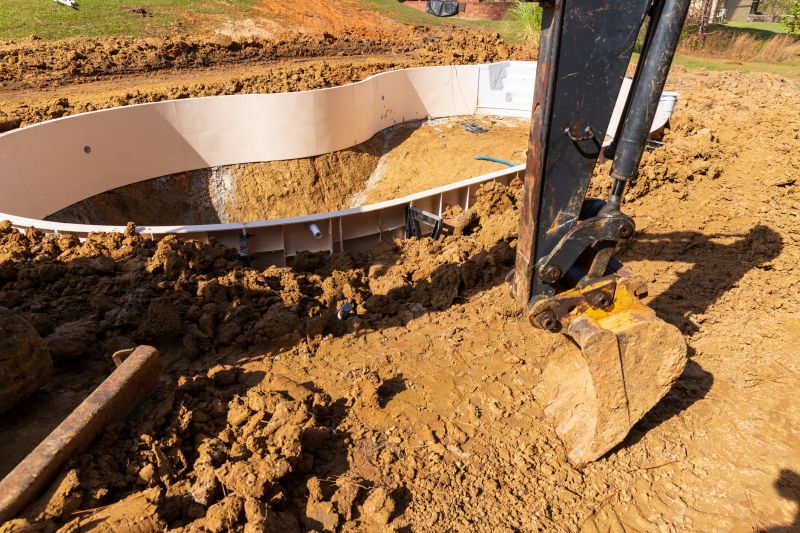
Pool Excavation in Houston, TX
Pool excavation services involve the removal of soil and earth to prepare a site for installing a new swimming pool. This process includes digging the foundation, shaping the pool’s interior, and ensuring proper grading for drainage and stability. Property owners typically request this service for in-ground pool projects, whether they are building a new pool or replacing an existing one, and may need guidance on site preparation, soil conditions, and the scope of excavation work required.
Before requesting pool excavation, homeowners should understand the size and design of the pool they want, as well as any property-specific factors such as underground utilities or soil type that could influence the project. It’s also helpful to consider access points for heavy equipment and to clarify any local regulations or permits needed for excavation work. Having clear details about the project scope and site conditions can facilitate a smoother process from planning to completion.
Many property owners in Houston, TX look into Pool Excavation for repairs, replacements, upgrades, and appearance-related improvements.
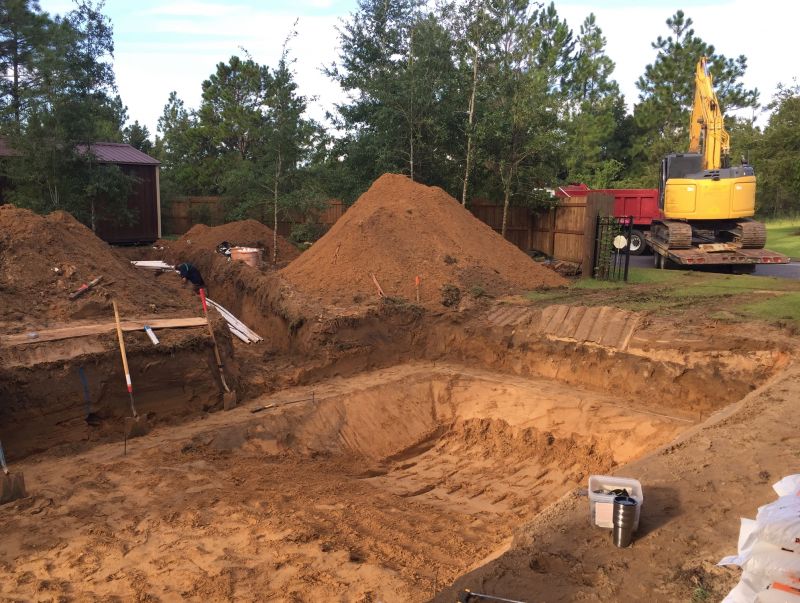
Pool Excavation Planning
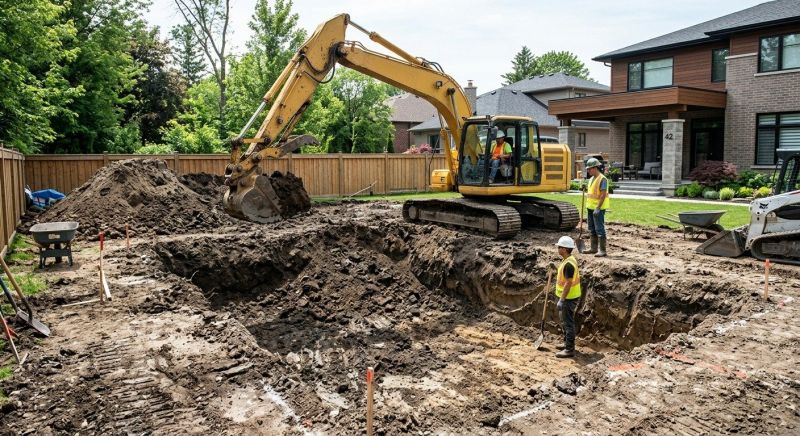
Proper site assessment ensures a safe and efficient excavation process for your backyard pool.
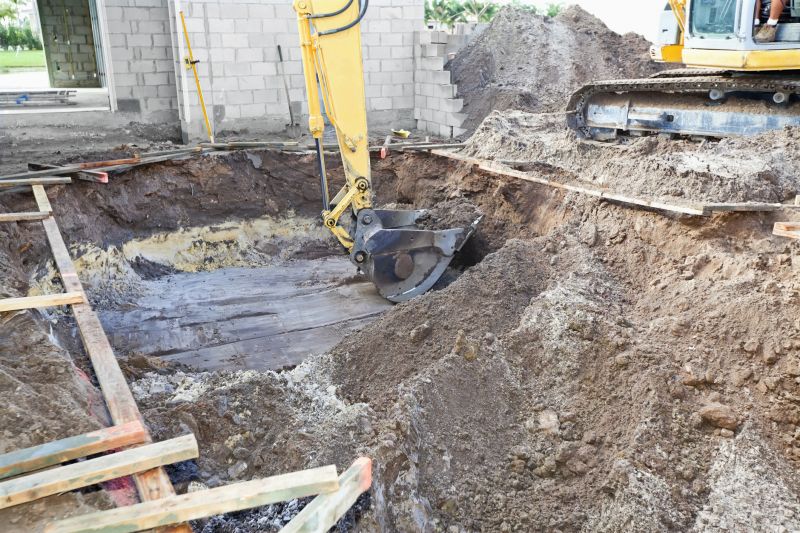
Excavation Techniques And Equipment
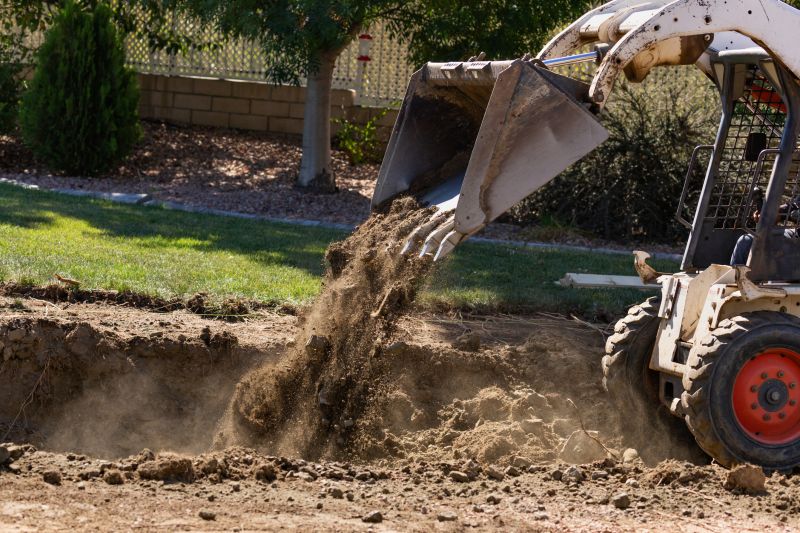
Heavy-duty machinery and precise techniques help create the ideal foundation for new pools.
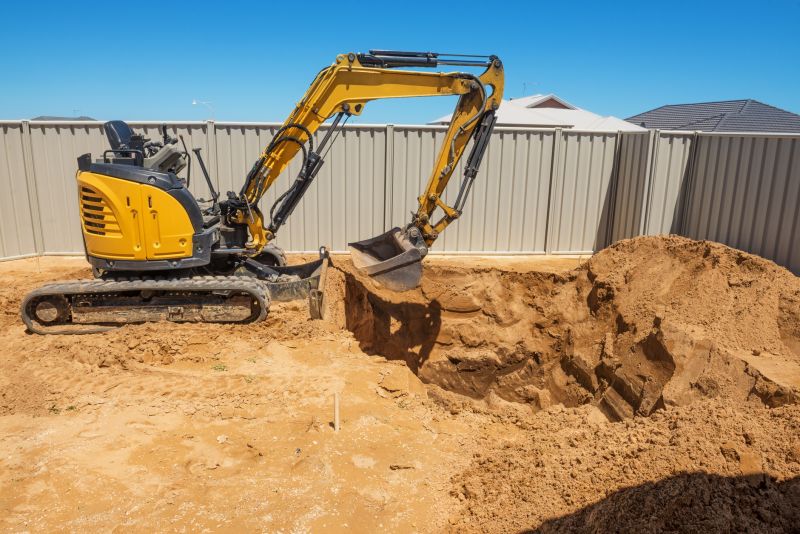
Site Preparation And Cleanup
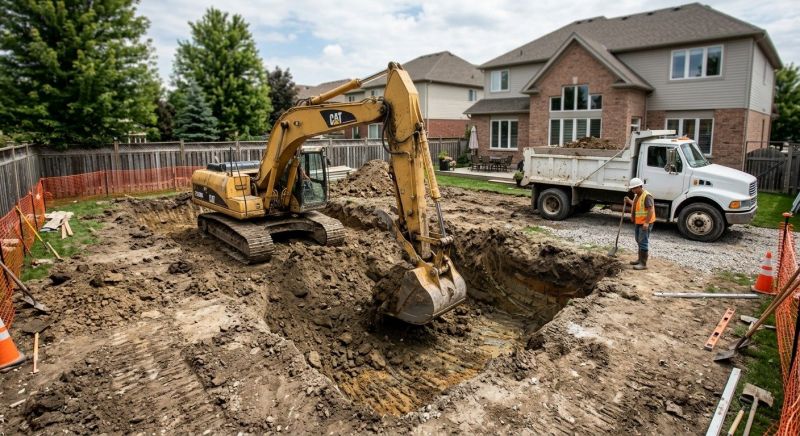
Thorough preparation and debris removal set the stage for smooth installation and long-term durability.
Pool Excavation in Houston, TX

Pool excavation services involve the removal of soil and earth to prepare a site for installing a new swimming pool. This process includes digging the foundation, shaping the pool’s interior, and ensuring proper grading for drainage and stability. Property owners typically request this service for in-ground pool projects, whether they are building a new pool or replacing an existing one, and may need guidance on site preparation, soil conditions, and the scope of excavation work required.
Before requesting pool excavation, homeowners should understand the size and design of the pool they want, as well as any property-specific factors such as underground utilities or soil type that could influence the project. It’s also helpful to consider access points for heavy equipment and to clarify any local regulations or permits needed for excavation work. Having clear details about the project scope and site conditions can facilitate a smoother process from planning to completion.
Many property owners in Houston, TX look into Pool Excavation for repairs, replacements, upgrades, and appearance-related improvements.
Common Pool Excavation Jobs
Pool excavation involves digging the site for new swimming pools or renovations.
Site prep includes clearing and leveling the area before construction begins.
Debris removal involves clearing away dirt, rocks, and excess material during excavation.
Drainage trenching prepares the site for proper water flow and pool plumbing.
Landscape grading shapes the yard to ensure proper drainage and foundation stability.
Pool removal involves excavating and removing old or unwanted pools from the property.
Pool Excavation Questions
What types of pools require excavation services? Excavation services are needed for new in-ground pools, including concrete, vinyl, and gunite designs, as well as for renovations or repairs to existing pools.
How deep is the excavation process? The depth depends on the pool design and size, typically ranging from 4 to 8 feet to accommodate the pool structure and surrounding features.
What property considerations are important before excavation? It’s important to assess underground utilities, soil stability, and property access to ensure a safe and efficient excavation process.
What equipment is used during pool excavation? Heavy machinery such as excavators and backhoes are commonly used to remove soil and shape the pool area accurately.
Request Pool Excavation in Houston, TX
Use the quote form on this page to share the basics of your project and request more information for the type of work you need.