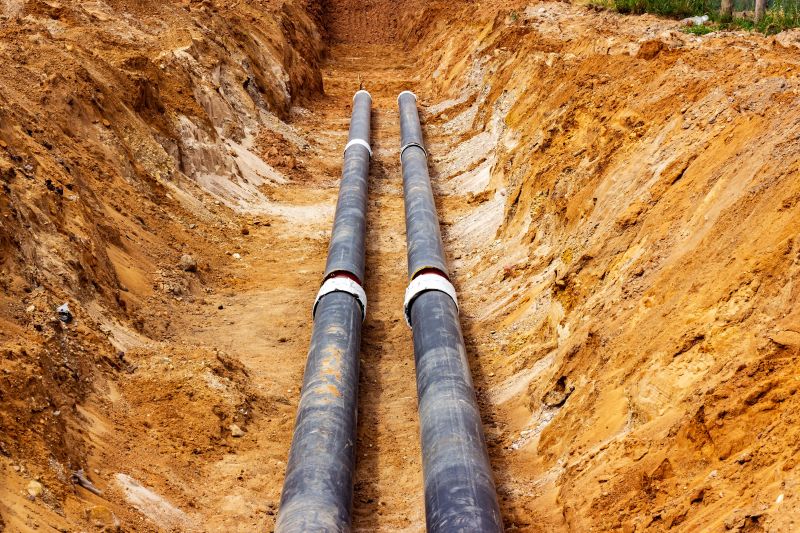
Trench Installation in Salt Lake City, UT
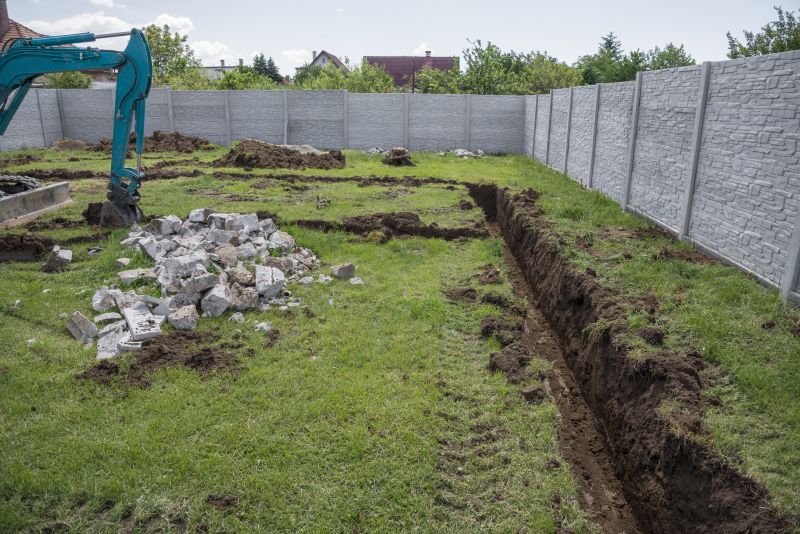
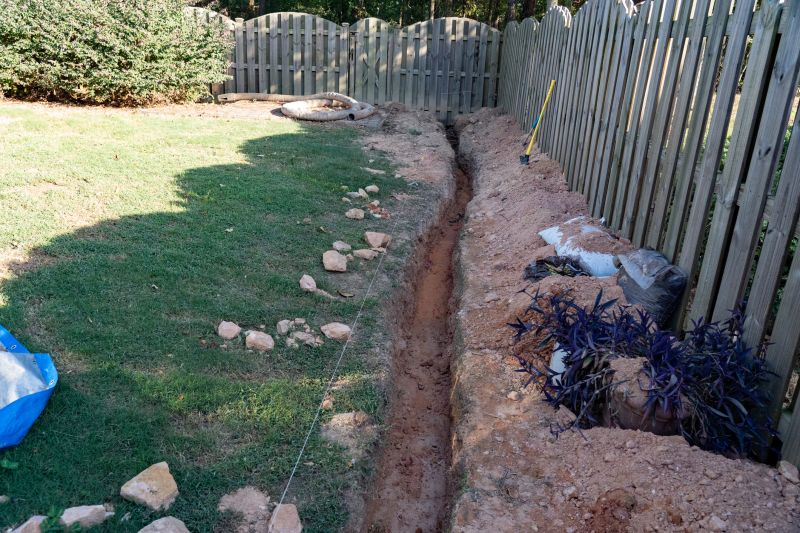
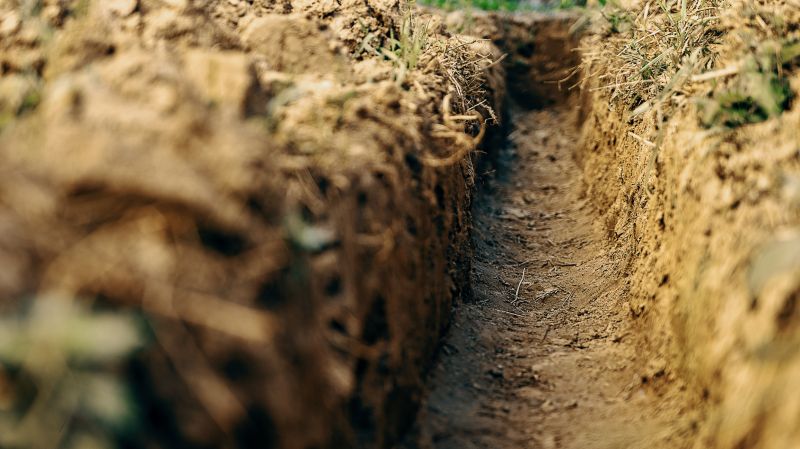
Trench installation services involve digging narrow, precise channels into the ground to accommodate various utility lines, drainage systems, or fencing posts on residential properties. These trenches are often used for underground wiring, irrigation lines, sewer connections, or to prepare for fencing or landscaping projects. Homeowners typically request trench installation to ensure utilities are safely and securely routed beneath the surface, reducing exposure and potential damage. Before requesting this service, property owners should consider the location and purpose of the trenches, as well as any underground utilities or obstacles that may require careful planning and coordination.
Understanding the scope of trench installation projects is essential for homeowners. It’s important to determine the desired depth, width, and length of the trenches, along with the type of soil and terrain conditions that may affect excavation. Property owners should also be aware of local regulations or restrictions related to underground work, and consider the impact on existing landscaping or structures. Clear communication about the project’s purpose and any specific site considerations can help ensure the trench installation meets expectations and is completed efficiently.
Many property owners in Salt Lake City, UT look into Trench Installation for repairs, replacements, upgrades, and appearance-related improvements.
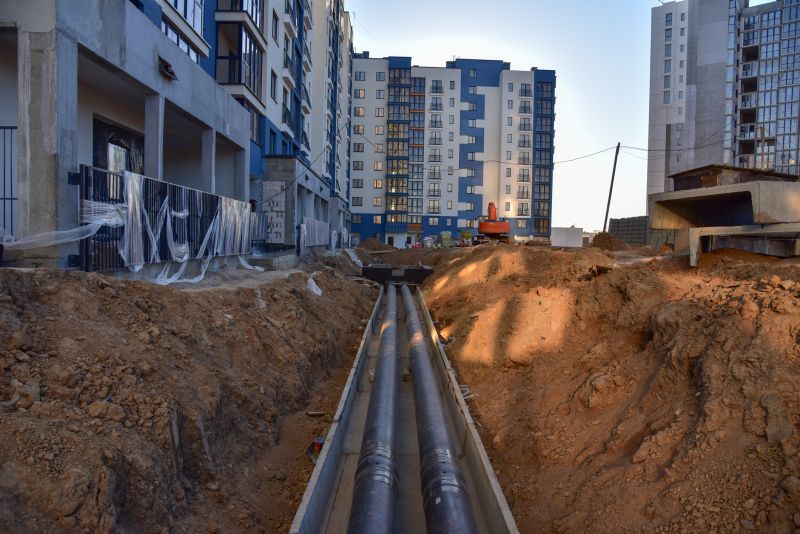
Trench Installation Applications
Trenches are essential for installing utilities, drainage systems, and irrigation lines across properties in salt lake city, ut.
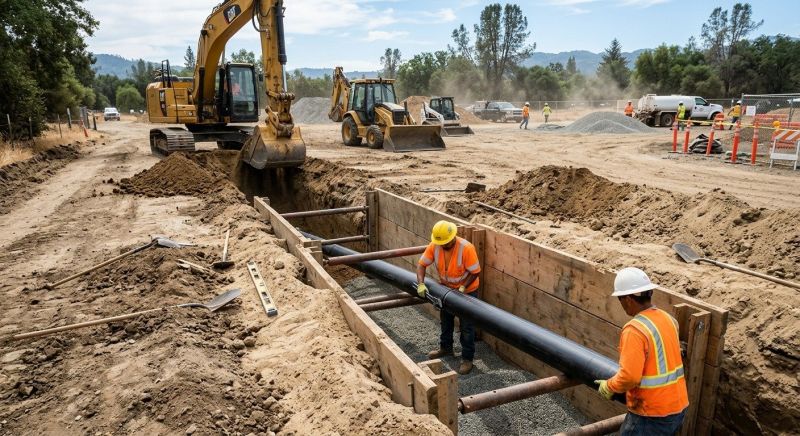
Types Of Trench Work
Services include narrow trenches for electrical wiring and wider excavations for plumbing or foundation support.
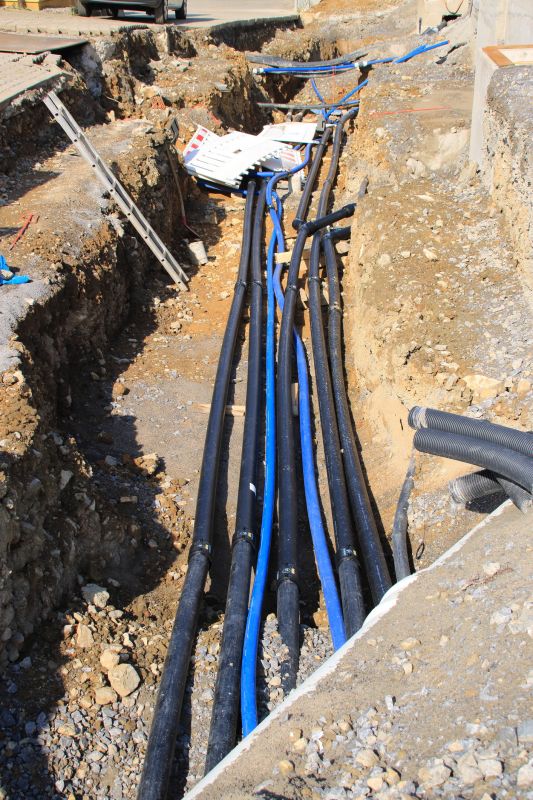
Preparation And Safety
Proper trenching ensures safe and efficient installation while minimizing disruption to landscape and property features.
Trench Installation in Salt Lake City, UT

Trench installation services involve digging narrow, precise channels into the ground to accommodate various utility lines, drainage systems, or fencing posts on residential properties. These trenches are often used for underground wiring, irrigation lines, sewer connections, or to prepare for fencing or landscaping projects. Homeowners typically request trench installation to ensure utilities are safely and securely routed beneath the surface, reducing exposure and potential damage. Before requesting this service, property owners should consider the location and purpose of the trenches, as well as any underground utilities or obstacles that may require careful planning and coordination.
Understanding the scope of trench installation projects is essential for homeowners. It’s important to determine the desired depth, width, and length of the trenches, along with the type of soil and terrain conditions that may affect excavation. Property owners should also be aware of local regulations or restrictions related to underground work, and consider the impact on existing landscaping or structures. Clear communication about the project’s purpose and any specific site considerations can help ensure the trench installation meets expectations and is completed efficiently.
Many property owners in Salt Lake City, UT look into Trench Installation for repairs, replacements, upgrades, and appearance-related improvements.
Common Trench Installation Jobs
Trench Installation - Installing trenches for drainage, utility lines, or irrigation systems.
Foundation Drainage - Creating trenches to improve foundation stability and prevent water damage.
Landscape Drainage - Installing trenches to direct excess water away from lawns and gardens.
Utility Line Placement - Digging trenches to safely lay electrical, water, or gas lines.
French Drain Systems - Installing trenches with gravel and piping to manage groundwater flow.
Erosion Control - Using trenches to reduce soil erosion on sloped or vulnerable areas.
Trench Installation Questions
What are common reasons to install a trench? Trenching is often used for installing underground utilities, drainage systems, or irrigation lines to protect and organize underground connections.
How deep should a trench for utility lines be? The depth varies depending on the type of utility, but generally, trenches are dug at least 18 to 24 inches deep to ensure safety and code compliance.
What materials are used for trench backfill? Backfill typically consists of excavated soil, sometimes supplemented with gravel or sand for proper drainage and stability.
Are there any property considerations before trench installation? It's important to check for existing underground utilities and property boundaries to avoid damage and ensure proper placement.
Request Trench Installation in Salt Lake City, UT
Use the quote form on this page to share the basics of your project and request more information for the type of work you need.